
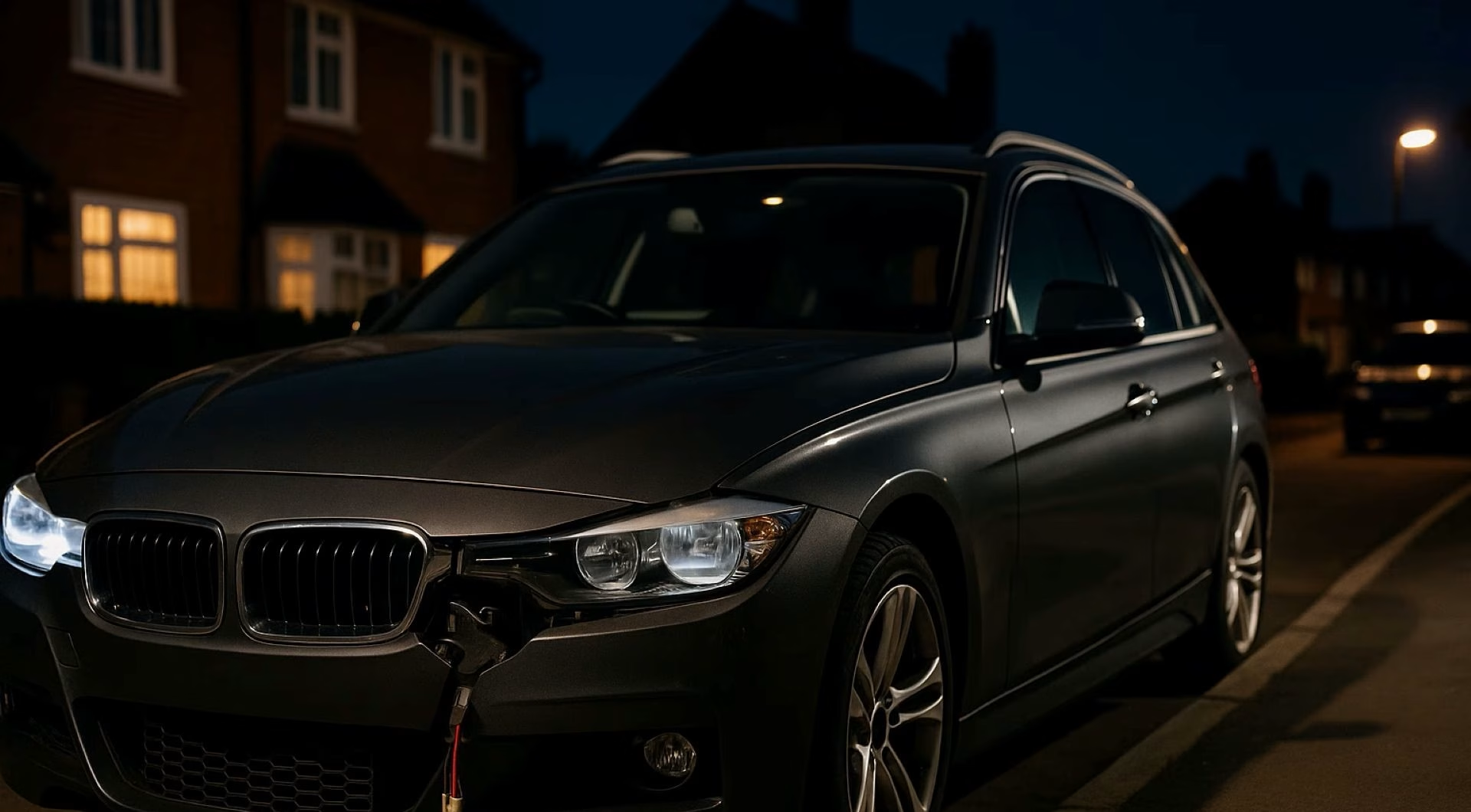

The theft of high-value car parts such as sensors, headlights, and badges is fuelling rising claims, impacting premiums and policyholders across the UK.
A Growing Challenge for Drivers
Car theft has long been a concern for UK motorists, but police data and insurer reports show a significant shift in recent years. Instead of entire vehicles being stolen, thieves are increasingly targeting individual high-value components.
Modern vehicles rely on expensive electronics and specialist parts — from cruise control sensors and catalytic converters to headlights and even manufacturer badges. These components can be removed quickly and sold on the black market, often for hundreds of pounds each.
Industry analysts warn that this trend is adding fresh pressure to insurers, with claims for part theft rising steadily since 2022. The knock-on effect is clear: higher risks translate into higher premiums for drivers.
The Cost to Households
For households already managing stretched budgets, the cost of repairing or replacing stolen parts can be considerable. Advanced sensors and headlight systems can cost upwards of £1,000 to replace, while catalytic converters often run into the hundreds.
Insurance providers cover these losses, but repeated claims are increasing the overall cost base. This, in turn, is feeding into premiums. Motorists are being urged to consider how theft risk influences the price of their policies and to explore the market for the most competitive car insurance quotes.
Shay Ramani, spokesperson for Free Price Compare, said:
“We’re seeing a rise in part-specific thefts that are expensive to replace. This is reshaping risk models for insurers and driving premiums upwards.”
“Car parts theft is one of the fastest-growing insurance risks, and it’s leaving drivers exposed to higher costs.”
— Shay Ramani, spokesperson, Free Price Compare
Comprehensive Cover Matters
The trend has underlined the importance of cover levels. Theft of parts is generally only covered by fully comprehensive car insurance, leaving drivers with third-party-only policies potentially liable for the full cost of repairs.
While comprehensive cover is typically more expensive, the growing prevalence of part theft is altering the value equation. Many industry commentators now note that comprehensive policies, once seen as optional for older or lower-value cars, may be increasingly essential.
Ramani added:
“Drivers sometimes opt for third-party cover to save money, but the risk landscape is shifting. Comprehensive policies can save thousands if key components are stolen.”
Regional Patterns Emerging
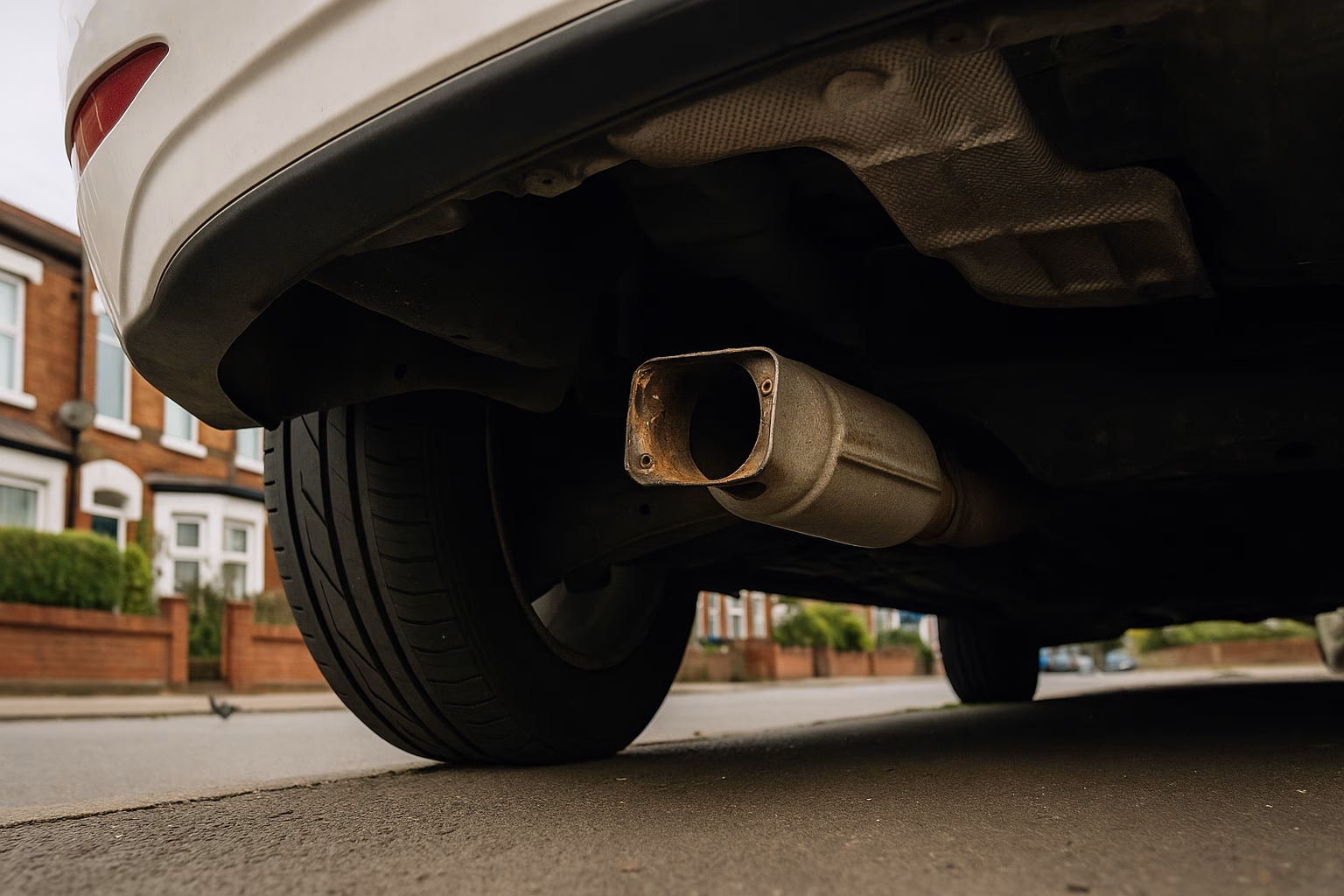
Police data shows that urban areas — particularly London, Birmingham, and Manchester — have seen the steepest rise in part-related thefts. However, rural areas are not immune, with catalytic converter thefts often targeting commuter car parks and residential driveways.
Industry analysts also note that certain car models are disproportionately targeted. Hybrid vehicles, for example, contain more valuable catalytic converters, while premium marques such as BMW, Audi, and Mercedes are frequently stripped for sensors and electronics.
For insurers, these patterns are shaping pricing models, with some regions and car types facing higher-than-average premiums.
Advice from Industry Experts
Motorists are being advised to take practical steps to reduce their risk. Parking in well-lit or secure areas, fitting protective cages to catalytic converters, and using steering locks are among the measures being recommended.
While these precautions cannot eliminate risk, they may reduce the likelihood of becoming a target. Insurers often take security measures into account when setting premiums, meaning that preventative action can also help moderate costs.
Ramani noted:
“Preventative steps are critical. Insurers want to see that drivers are protecting their vehicles. It can make a difference not just to theft risk but to the price of cover.”
Market Outlook
The surge in part-specific theft comes at a time when the wider car insurance market is already volatile. Rising repair costs, shortages of skilled labour, and inflation have all contributed to premiums climbing sharply in the past two years.
Industry experts believe that as vehicles become increasingly reliant on electronic systems, the black market for parts will remain strong. Unless manufacturers improve theft-resistance designs, insurers will continue to factor higher theft claims into pricing.
The Consumer Perspective
For drivers, the key challenge will be balancing affordability with protection. Analysts note that while premiums are unlikely to fall in the short term, households still have options to find competitive deals. Using independent platforms such as Free Price Compare allows motorists to see a broad range of insurers and cover types, supporting more informed decisions.
Ramani concluded:
“The cost of car insurance is tied closely to risk — and right now, part theft is one of the fastest-rising risks. Drivers who understand that dynamic and take steps to compare cover stand the best chance of keeping costs under control.”







